
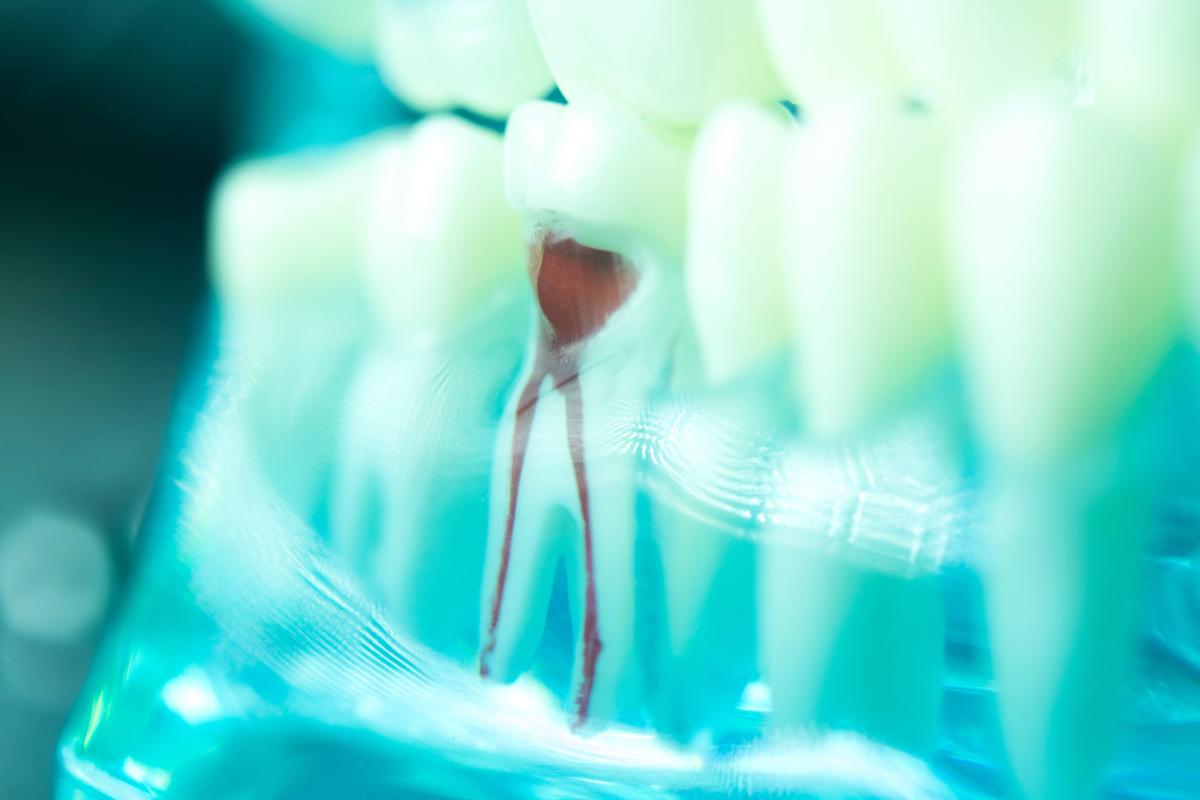
If you’re experiencing pain, swelling, or sensitivity in your tooth, you may wonder if a root canal is necessary. A root canal is a clinical procedure meant to address deep decay, infection, or trauma to the tooth. While your dentist or endodontist will ultimately determine whether a root canal is necessary for your specific case, it’s important to understand the signs and symptoms that may indicate the need for this treatment.
Access Endodontics provides root canal therapy treatment in our state-of-the-art Ellicott City, MD, office. Our team, led by Dr. Burton Waxman and Dr. Lina Jarboe, has extensive experience in performing root canal therapy to relieve patients’ pain and to save their natural teeth.
Call 410.304.7226 today or talk to your dentist if you’re experiencing tooth pain or other symptoms that may indicate a root canal is necessary. Our team can help determine if root canal therapy is the best course of treatment.
- A root canal may be needed when decay, infection, a crack, or an injury reaches the tooth’s inner pulp.
- Common warning signs include lingering temperature sensitivity, pain when biting, gum swelling or a gum boil, and a tooth that has turned grey or dark.
- Waiting may allow an infection to spread around the root and may reduce the chance that the tooth can be saved.
- Local anesthesia makes treatment similar to a filling for many patients, though the appointment may take longer.
- Many root canals take 30 to 90 minutes, but complex teeth or infections may require more time or a second visit.
- Extraction may be appropriate when a tooth cannot be restored, but saving the natural tooth is often preferred when it has a reasonable prognosis.
Root canal recovery and timeline
How long does a root canal take? Many appointments can take about 30 to 90 minutes. A straightforward front tooth may take less time than a molar because molars often have more canals. Your appointment may be longer if the canals are narrow or curved, the infection is extensive, or the tooth has had previous root canal treatment.
Many root canals are completed in one appointment. A second visit may be recommended when the anatomy is complex, additional disinfection is needed, or medication must remain inside the tooth before it’s sealed. Your endodontist should explain the expected number of appointments after evaluating the tooth.
Root canal recovery time is usually brief. After treatment with local anesthesia alone, many people can return to work, school, or their normal routine the same day, although the treated area may feel tender for a few days. Numbness may last for several hours, so follow the care instructions you receive and avoid eating until you can do so safely.
If sedation is used, follow the specific instructions your endodontist provides about driving, activity, eating, and recovery.
Root canal aftercare may include:
- Take medications only as directed by your treating dentist or endodontist.
- Avoid chewing hard foods on the treated tooth until it has its final restoration or your dentist says it is ready.
- Brush and floss as directed, keeping the area clean without repeatedly testing the tooth.
- Complete the final filling or crown on the schedule your dental team recommends.
- Contact your dental office if pain or swelling becomes severe, worsens, returns after improving, or is accompanied by fever, drainage, or difficulty swallowing or breathing.
Root canal cost and alternatives: Is extraction an option?
The cost of root canal therapy at Access Endodontics depends on factors such as the tooth being treated, the number and shape of its canals, the complexity of the problem, and whether you need first-time treatment or retreatment. Your dental benefits may also affect your out-of-pocket cost.
Molars and more complex cases often require more treatment time than front teeth. After root canal treatment, your general dentist may recommend a final filling or crown, which may involve a separate cost. Ask your dental team for estimates based on your individual treatment plan rather than relying on a national average.
Root canal vs. extraction is a case-specific decision. Root canal treatment keeps the natural tooth and helps preserve normal chewing and alignment. Extraction removes the entire tooth. Although extraction may have different upfront costs, replacing a missing tooth with a bridge, implant, or removable option can involve additional treatment and expense.
Extraction may be appropriate when a tooth is cracked below the gumline, lacks enough healthy structure for a reliable restoration, has severe loss of support, or has another condition that makes preservation unrealistic.
If the tooth can be restored and has a reasonable outlook, keeping the natural tooth is often preferred. Your dentist and endodontist can explain the condition of the tooth, the expected restoration, available alternatives, and the likely costs involved with each treatment option.
Other root canal alternatives depend on the diagnosis. Retreatment or an apicoectomy may sometimes address a problem in a previously treated tooth. When the pulp is infected, monitoring alone does not remove the source of the infection.
How to reduce your risk of needing a root canal
No routine can prevent every cracked tooth, injury, or pulp problem, but protecting the outer tooth structure can reduce common ways bacteria reach the pulp.
Some tips that may help reduce your risk of needing a root canal include:
- Brush twice a day with fluoride toothpaste and clean between your teeth daily.
- Visit your general dentist for routine exams and treat cavities before they become more serious.
- Limit sugary foods and drinks, especially frequent snacking or sipping, which can increase your risk of cavities.
- Avoid chewing ice or other hard items that could crack or damage your teeth.
- Wear a mouthguard during sports, and ask your dentist about a nightguard if you grind or clench your teeth.
- Pay attention to bleeding, swelling, or other changes in your gums, and follow your dentist’s recommendations for periodontal care.
Frequently asked questions
Local anesthesia numbs the tooth, and many patients compare root canal treatment with getting a filling. Pressure or having your mouth open may be uncomfortable, and mild tenderness can occur afterward. Tell your endodontist about pain or anxiety so your comfort plan can be adjusted.
The infection or inflammation can progress even if the pain temporarily improves. Waiting may lead to an abscess, swelling, loss of supporting bone, or a tooth that can no longer be saved. Prompt evaluation may help preserve more treatment options.
Many root canal appointments take about 30 to 90 minutes. Molars, curved or narrow canals, significant infections, and retreatment cases may take longer. Some teeth require two appointments so medication can remain in the tooth before final sealing.
Saving the natural tooth is often preferred when it can be restored and has a reasonable prognosis. Extraction may be appropriate when damage is too severe for the tooth to function reliably.
Your dentist and endodontist can help you compare the full treatment plan, including any final restoration or tooth replacement, before deciding which option is appropriate.
Root canal cost varies based on the tooth being treated, canal anatomy, treatment complexity, whether retreatment is needed, and your dental benefits.
After root canal treatment, your general dentist may recommend a final filling or crown. Ask your dental team about the expected cost of both the root canal and any final restoration. If extraction is being considered, you may also want to factor in the cost of replacing the missing tooth.
Schedule your root canal consultation in Ellicott City, MD
A general dentist provides care for many common dental needs, while an endodontist has advanced training in treating the dental pulp, relieving tooth pain, and performing procedures that can help save damaged or infected teeth. If your dentist has recommended seeing a root canal specialist, Access Endodontics can evaluate your tooth and determine whether treatment is needed.
Dr. Lina Jarboe and Dr. Burton Waxman provide root canal therapy in Ellicott City, MD, for patients throughout Ellicott City and the surrounding Howard County area. Our practice uses laser-assisted endodontic technology and offers comfort-focused treatment options. We also work closely with referring dentists to help preserve natural teeth whenever possible.
Talk with your dentist about a referral, or contact Access Endodontics or call 410.304.7226 if you have already been referred or need help understanding your next step.