
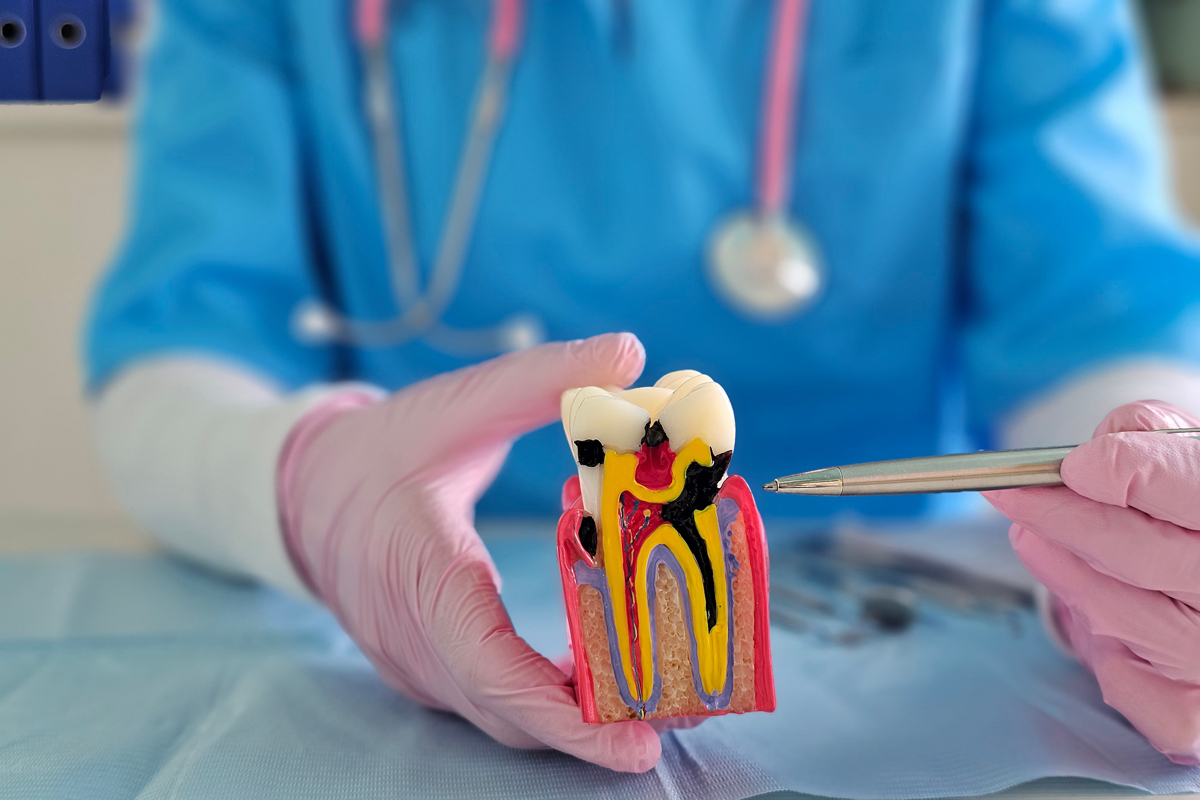
A root canal should relieve pain and clear infection, but sometimes the tooth doesn’t heal as expected. This guide explains the signs of a failed root canal, why problems can happen, and when root canal retreatment might help you save your natural tooth.
Understanding root canal treatment A root canal treatment removes infected tissue from inside the tooth. During the root canal procedure, the dentist or endodontist cleans out the dental pulp, shapes the canal, and fills it to stop the infection from spreading. The goal of this endodontic treatment is to save the natural tooth and relieve pain.
A successful root canal helps you chew and bite without discomfort. Many patients have a root canal in Ellicott City, MD when deep decay or damage reaches the pulp. When the treatment is thorough, it lowers the risk of future infection and protects the tooth. At Access Endodontics, Dr. Lina Jarboe focuses on treating infected roots and helping patients keep their natural teeth whenever possible.
Common signs that a root canal has failed
Sometimes a treated tooth does not heal the way it should. A failed root canal often leads to symptoms that are hard to ignore. The most common sign is returning tooth pain, especially if the pain becomes persistent or gets worse over time.
Other signs include:
- Sensitivity to hot or cold
- Swelling around the gums
- Pressure or pain when biting
- A small bump or pimple on the gums
- A feeling that the problematic tooth is different from the others
Some patients say it feels like “root canals hurt” again, even though the tooth was treated before. These symptoms may mean infected tissue remains inside the tooth or new bacteria have entered. If severe pain returns or the area keeps feeling irritated, it may be a sign that the tooth did not heal fully.
Reasons why a root canal might fail
A root canal treatment can fail for several reasons. Sometimes, the canals inside a tooth are narrow or curved, which makes them hard to clean completely. Some teeth also have extra canals that weren’t found during the first treatment.
Other causes include:
- Tooth decay that forms again after treatment
- A damaged pulp that was more complex than expected
- Deep cavities that weaken the tooth
- Bacteria that stay trapped in the canal
- New infection from a cracked filling or crown
If infection is left untreated or if further damage occurs, the tooth may start to hurt again and may need retreatment.
What is root canal retreatment? Root canal retreatment is a second attempt to clean and repair a tooth when the first root canal does not heal properly. Instead of removing the tooth, retreatment aims to save it by removing any remaining bacteria and restoring the canal more thoroughly.
Retreatment is often preferred over extraction because it preserves the natural tooth and avoids the need for implants or bridges. During the procedure, the dentist removes the old filling material, cleans the canals again, and places a new filling to protect the tooth.
When to consider root canal retreatment
You may need retreatment if you notice:
- Pain returning weeks or months after the original treatment
- Swelling near the treated tooth
- Sensitivity that does not go away
- Discomfort when biting or chewing
- A cracked crown or filling
If symptoms continue or get worse, it’s a good time to get the tooth evaluated. Early attention often gives you a better chance of saving the tooth.
The procedure for root canal retreatment
Retreatment follows many of the same steps as the first root canal procedure, but it often involves deeper cleaning.
Here’s what usually happens:
1. A local anesthetic numbs the tooth.
2. The old filling or crown materials are removed.
3. The canals are cleaned again to remove any remaining bacteria.
4. A new root canal treatment filling is placed.
5. A new dental crown may be added for protection.
Because the tooth has already been treated once, retreatment may take longer and involve more detail, but many patients find the process manageable and effective.
Factors that affect root canal cost and treatment outcomes
Different factors can affect root canal cost, including:
- The complexity of the tooth
- The depth of the infection
- Whether a new crown is needed
- How long ago the first treatment was done
Patients should review their dental insurance to understand coverage and ask about payment options or manageable monthly installments if needed. Choosing an experienced provider also supports a better long-term result.
Post-treatment expectations and how to relieve pain
It’s normal to have mild tooth pain or discomfort for a few days after retreatment. The area may feel tender while it heals.
Ways to relieve pain include:
- Taking recommended medication
- Using a cold compress
- Choosing to eat soft foods for a short time
- Avoiding chewing on the treated side
Good oral hygiene helps prevent reinfection, and follow-up visits allow the dentist to check healing progress.
Tips for a smooth recovery
To support recovery:
- Take it easy for the first day and avoid strenuous activity
- Keep up with good oral hygiene
- Attend follow-up visits
- Avoid tobacco products
- Stick to balanced meals that support healing
If unusual symptoms appear, reach out to your dentist for guidance. Quick action can protect your natural tooth from further problems.
Preventing future root canal complications
You can lower the chance of future issues by keeping up with routine dental care. Daily brushing, flossing, and regular checkups help reduce bacteria and protect you from tooth decay and infection.
Helpful steps include:
- Practicing good oral hygiene
- Asking your dentist about additional treatment if needed
- Using your dental insurance benefits to stay on schedule
- Addressing small concerns early to avoid further damage
Good habits support long-term oral health and help protect the work done during your root canal.
Make informed choices about your dental health
A failed root canal can be frustrating, but knowing the signs and understanding when root canal retreatment may help put you in a better position to protect your tooth. If you’re noticing symptoms or have questions about a past treatment, reach out for an evaluation so the problem doesn’t get worse. Call 410.304.7226 or contact us online to schedule a visit with Access Endodontics in Ellicott City, MD. Dr. Lina Jarboe is here to help you understand your options and feel more comfortable moving forward.
FAQs
How can I tell if my root canal is failing?
Watch for returning tooth pain, swelling, sensitivity, or a small bump on the gums. These can be signs the tooth did not heal fully.
Is it normal to feel pain months after a root canal?
Mild sensitivity can come and go, but ongoing or worsening pain may mean the tooth needs to be checked again.
Why do some root canals fail?
Extra canals, hidden bacteria, deep decay, cracks, or new infection can all cause a root canal to fail over time.
What is root canal retreatment?
Retreatment is a second procedure that cleans the tooth again, removes trapped bacteria, and gives the tooth another chance to heal.
Is retreatment better than extraction?
Many patients choose retreatment because it helps save the natural tooth. Extraction is usually only considered when the tooth cannot be repaired.
What happens during root canal retreatment?
The dentist removes the old filling materials, cleans and shapes the canals again, and places new filling material. A crown may be added for protection.
How long does recovery take after retreatment?
Most patients feel better within a few days. Some mild discomfort is normal while the area heals.
How much does root canal retreatment cost?
Costs vary based on the tooth, the infection level, and whether you need a new crown. Dental insurance and payment plans can help make treatment more manageable.
When should I call my dentist about a treated tooth?
If pain, swelling, or sensitivity return—or if something just feels “off”—it’s best to get the tooth evaluated right away.