
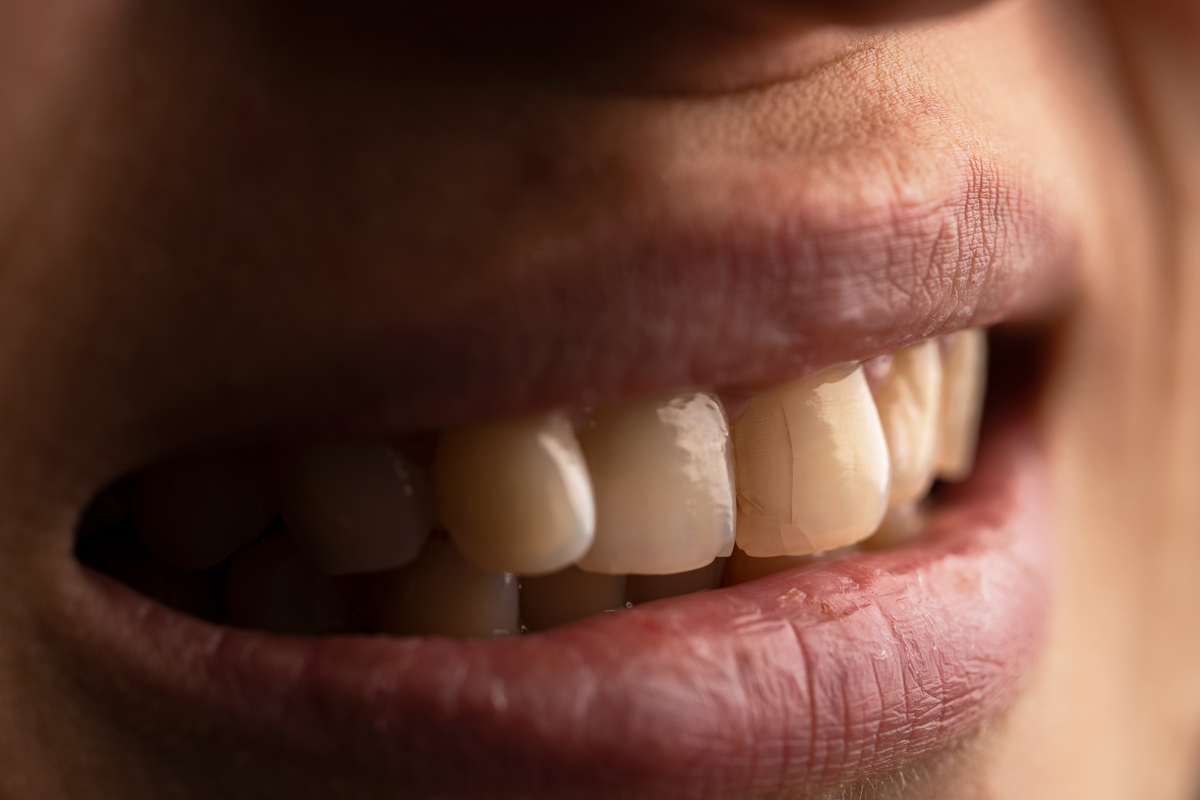
Pain when biting or chewing can be hard to pin down. Some days it shows up, other days it does not. When that happens, dentists often talk about two possible causes: a cracked tooth or a vertical root fracture. They can feel similar early on, but they affect the tooth differently and lead to different treatment paths. Knowing how they differ can make it easier to understand what your dentist or endodontist is looking for and why certain recommendations are made.
Understanding tooth fractures and cracks
Teeth handle a lot of pressure over time. Chewing, clenching, past dental work, and injuries all put stress on tooth structure. Sometimes that stress leads to small cracks that stay stable. Other times, it causes damage that needs attention.
Tooth fractures range from very minor to more complex. Some affect only the enamel. Others extend deeper into the tooth and may reach the pulp or the root. The location and depth of a crack matter because they influence both symptoms and treatment options.
Examples of tooth cracks include:
- Hairline cracks in the enamel that may not cause symptoms
- Fractured cusps, where part of the chewing surface breaks
- Cracks that run from the biting surface toward the root
Some cracks can be managed with monitoring or simple restoration. Others weaken the tooth and allow bacteria to reach sensitive areas, increasing the chance of pain or infection.
What is a cracked tooth?
A cracked tooth usually has an incomplete fracture that starts on the chewing surface and extends downward. The tooth is still in one piece, and much of the structure remains intact.
Symptoms tend to be inconsistent. Many people notice a sharp pain when biting down or releasing pressure. Sensitivity to hot or cold is also common. Because the discomfort comes and goes, the source can be difficult to identify without careful testing.
In many cases, cracked tooth treatment is straightforward once the crack is identified. Depending on how deep it goes, treatment may involve bonding or a dental crown to stabilize the tooth. If the pulp is irritated or infected, root canal therapy may be recommended before restoring the tooth.
When addressed early, a cracked tooth can often be saved and function normally for years.
What is a vertical root fracture?
A vertical root fracture involves a crack that runs lengthwise along the root of the tooth. These fractures often begin below the gum line, which makes them harder to detect during a routine exam.
Symptoms are usually more subtle. Some people feel mild discomfort when chewing. Others notice tenderness or swelling near the gum line around one tooth. Over time, these fractures can allow bacteria to spread along the root and into the surrounding bone.
Vertical root fractures are not always visible on standard dental X-rays. Dentists and endodontists look for indirect signs, such as isolated bone loss or recurring inflammation. Advanced imaging, including cone beam computed tomography, can provide additional detail when a fracture is suspected.
Because the root itself is compromised, vertical root fractures often cannot be treated predictably. Extraction is commonly recommended to prevent ongoing infection and bone damage.
Symptoms and diagnostic imaging
Cracked teeth and vertical root fractures can overlap in how they feel, but there are patterns that help guide diagnosis. A thorough dental exam and the right imaging tools make a meaningful difference.
Common symptoms linked to cracked teeth
- Sharp pain when biting or releasing pressure
- Sensitivity to hot or cold
- Discomfort that comes and goes
Signs that may point to a vertical root fracture
- Persistent tenderness near the gum line
- Localized swelling around one tooth
- Recurrent infection in the same area
Diagnosis typically starts with visual inspection and bite testing, followed by imaging. Periapical radiographs are often the first step. When those images do not provide clear answers, cone beam computed tomography may be used to look more closely at the root and surrounding bone.
Endodontists focus on diagnosing complex tooth pain and fracture patterns, especially when symptoms do not match what appears on standard imaging.
Treatment options: Saving or extracting the tooth
Treatment depends on the type of fracture and how much healthy tooth structure remains.
For a cracked tooth, treatment may include bonding, a dental crown, or root canal therapy if the pulp is involved. These approaches are designed to stabilize the tooth and prevent the crack from spreading.
For a vertical root fracture, extraction is often the most practical option. Because the fracture affects the root, attempts to save the tooth are unlikely to hold up over time. After extraction, some patients choose a dental implant or another replacement option to restore function.
Addressing fractures sooner rather than later helps limit discomfort and reduces the risk of further damage.
When can a tooth be saved and when is extraction necessary?
Teeth with cracks limited to the crown often respond well to stabilization and restoration. Teeth with fractures that extend vertically into the root usually do not. Imaging and clinical findings guide these decisions.
A treatment plan is based on where the crack is located, how far it extends, and how the tooth responds to testing. In some cases, preserving the tooth with endodontic treatment and a crown is possible. In others, extraction helps protect the surrounding bone and prevents repeated infection.
Need treatment for a cracked tooth or root fracture? Access Endodontics can help
Dr. Lina Jarboe and the team at Access Endodontics are ready to do everything possible to save your smile. Talk to your dentist about a referral to an endodontist if you’re experiencing pain, and call us at 410.304.7226 when you’re ready to make an appointment.